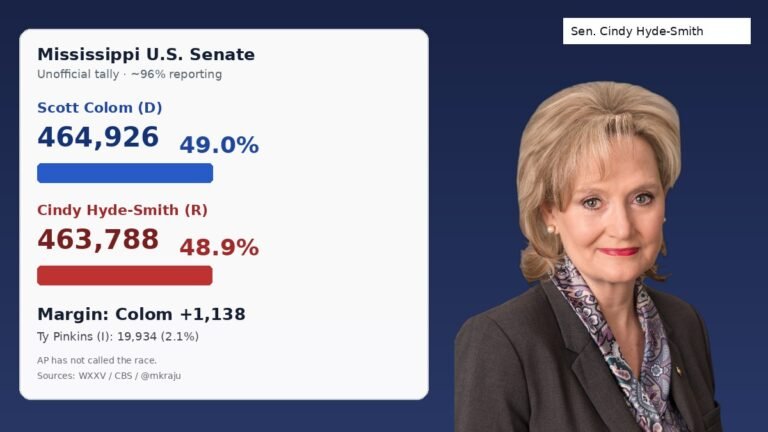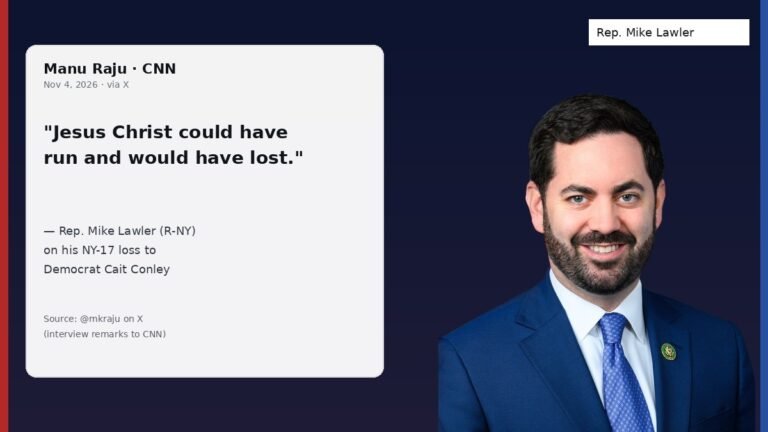
Close House and Senate races may take hours or days to call after polls close, election experts say, because mail ballots and state rules slow the count — not because votes are being invented overnight.
What to expect tonight
As Americans finish voting in the 2026 midterms, networks and analysts are warning that control of Congress may not be clear on election night.
David Becker, executive director of the Center for Election Innovation & Research and a CBS News contributor, told CBS he doubts Americans will know who controls the House or Senate Tuesday night unless one party wins in a large wave. “If we do, then there’s a very big wave going on,” Becker said.
That message spread quickly on X on Election Day, as outlets explained why California and other high–mail-ballot states often report results more slowly than places such as Florida.
Why counts finish at different speeds
- Mail ballots need checks. California sends a ballot to every registered voter. Ballots postmarked by Election Day can arrive up to seven days later and must pass signature checks before they are counted, the California secretary of state explains.
- Election Night totals are incomplete. Nightly figures are semi-official. Counties still process Election Day drop-offs, late mail ballots, provisional ballots and damaged ballots during a canvass that can last up to 30 days, according to California’s official vote-counting guide.
- Some states cannot start early. In Pennsylvania and Wisconsin, state law blocks officials from processing mail ballots until Election Day morning, CBS reported, which pushes more work into Tuesday night.
- Close races take longer to call. News outlets project winners based on counted ballots and what remains. Narrow margins mean fewer early calls even when counting is on track.
How each side talks about delays
President Donald Trump has long attacked mail voting and said last week he would accept midterm results “if they’re honest elections,” CBS reported. Election researchers say candidates who think they are losing often fill the waiting period with fraud claims, while winners rarely attack the process.
Lawrence Norden of the Brennan Center for Justice told CBS that misinformation “flourishes in that period of time between voting and getting the results.” Becker put it more bluntly: winners let the process play out; complainers usually believe they lost.
Experts also describe a familiar pattern sometimes called a “red mirage” or “blue wave”: Election Day in-person totals can lean one way, then later mail batches shift the picture. “The votes are already in,” Norden said. “They just all aren’t counted at the same time.”
ABC News noted that California’s size and heavy mail use mean some statewide and House contests may not be projected for days. Officials and researchers urge viewers to treat overnight shifts as counting catching up, not as ballots appearing after the fact.
Sources: CBS News; California Secretary of State; ABC News; X discussion of Election Night timing explainers